
If you live with a cat, chances are you’ve heard that sharp, snake like sound at least once. Cat hissing can be shocking, confusing, and sometimes even hurtful for owners who don’t understand why it happens. Many people think a hissing cat is aggressive or “bad tempered,” but in reality, hissing is one of the clearest ways a cat communicates fear, stress, or discomfort.
Cats don’t hiss without reason. It is a natural survival response, deeply rooted in instinct. Understanding why cats hiss and how to respond correctly can completely change your relationship with your pet and help you create a calmer, safer home.
What Is Hissing in Cats?
Hissing is a defensive sound cats make when they feel threatened, scared, or overwhelmed. It mimics the sound of a snake, which is meant to scare away danger. Unlike meowing, which cats often use to communicate with humans, hissing is directed at perceived threats people, animals, or unfamiliar situations.
When a cat hisses, it is saying one clear thing: “I don’t feel safe right now.”
The Most Common Reasons Cats Hiss
Here we explain real reasons why cats do hiss.
Fear and Feeling Threatened
Fear is the number one reason cats hiss. A loud noise, sudden movement, unfamiliar person, or new animal can trigger this reaction. Cats are territorial by nature, and anything that disrupts their sense of control can feel dangerous.
For example, visitors, repair workers, or even a new piece of furniture can cause fear-based hissing. Your cat isn’t being rude it’s reacting to uncertainty.
Pain or Physical Discomfort
Cats often hiss when they are in pain. If your normally gentle cat suddenly hisses when touched, picked up, or approached, pain could be the cause. Injuries, dental issues, arthritis, or internal discomfort can make cats defensive. One more reason why cats do hiss beacuse cats can’t tell you what happeing in her body or physical hurting during paly with baby.
This type of hissing is a warning: “Don’t touch me it hurts.” In such cases, a vet visit is essential.
Territorial Behavior
Cats are extremely territorial. When another cat, dog, or even a human invades what they consider their space, hissing may occur. This is common in multi-cat households, especially when introducing a new cat.
Territorial hissing isn’t about hatred it’s about setting boundaries.
Stress and Overstimulation
Too much noise, too many people, excessive handling, or lack of quiet space can overstimulate cats. When they feel overwhelmed, hissing becomes a release valve.
Some cats hiss during play if they feel it has gone too far. Others hiss when children handle them roughly or don’t respect boundaries.
Redirected Aggression
Redirected aggression happens when a cat sees or hears something stressful but cannot reach it like another cat outside the window. The frustration builds up, and the cat may hiss at whoever is closest.
This type of hissing can seem random, but it’s rooted in emotional overload.
Motherly Protection
Mother cats often hiss to protect their kittens. Even friendly cats may hiss at owners during this phase. It’s a strong instinct to keep babies safe, not a sign of a damaged bond
Body Language That Comes With Hissing
Hissing rarely happens alone. Cats usually show warning signs before and during it. Recognizing these signs early can help you step back before the situation escalates.
- Flattened ears
- Arched back
- Puffed-up fur
- Wide pupils
- Stiff posture
- Growling or spitting
What not to do when a cat hisses
One of the biggest mistakes cat owners make is reacting emotionally. Never shout, punish, or force contact after hissing. This only increases fear and teaches the cat that hissing is necessary for protection.
Avoid staring directly at the cat, chasing them, or picking them up. These actions can worsen the stress and even lead to scratching or biting.
How to Respond Calmly When a Cat Hisses
Give Space Immediately
The best response to hissing is distance. Step back slowly and allow the cat to calm down. Space helps cats regain control over the situation.
Stay Calm and Quiet
Speak softly or don’t speak at all. Sudden sounds or movements can escalate fear. Calm energy reassures your cat that there is no immediate threat
Remove the Trigger If Possible
If a specific trigger is causing the hissing like another pet, loud music, or visitors try to reduce or remove it. Creating a quiet, safe space can stop repeated hissing episodes.
Use Positive Reinforcement Later
Once the cat has calmed down, reward relaxed behavior with treats, gentle play, or affection (if welcomed)do that your cat enjoy it like poose, play like a baby or tickling them. This helps rebuild trust. If we do not care it’s can be challenging for us.
Improve the Home Environment
Cats need vertical space, hiding spots, and quiet zones. Cat trees, shelves, and covered beds give cats control over their surroundings and reduce stress.
Proper Introductions Matter
When introducing new pets, go slowly. Gradual scent swapping and supervised interactions prevent fear-based hissing.
Regular Play and Mental Stimulation
A bored cat is more likely to react negatively. Daily play sessions release pent-up energy and reduce frustration.
Health Checkups Are Important
If hissing behavior appears suddenly or increases without an obvious reason, always rule out medical issues. Pain is often hidden behind aggression.
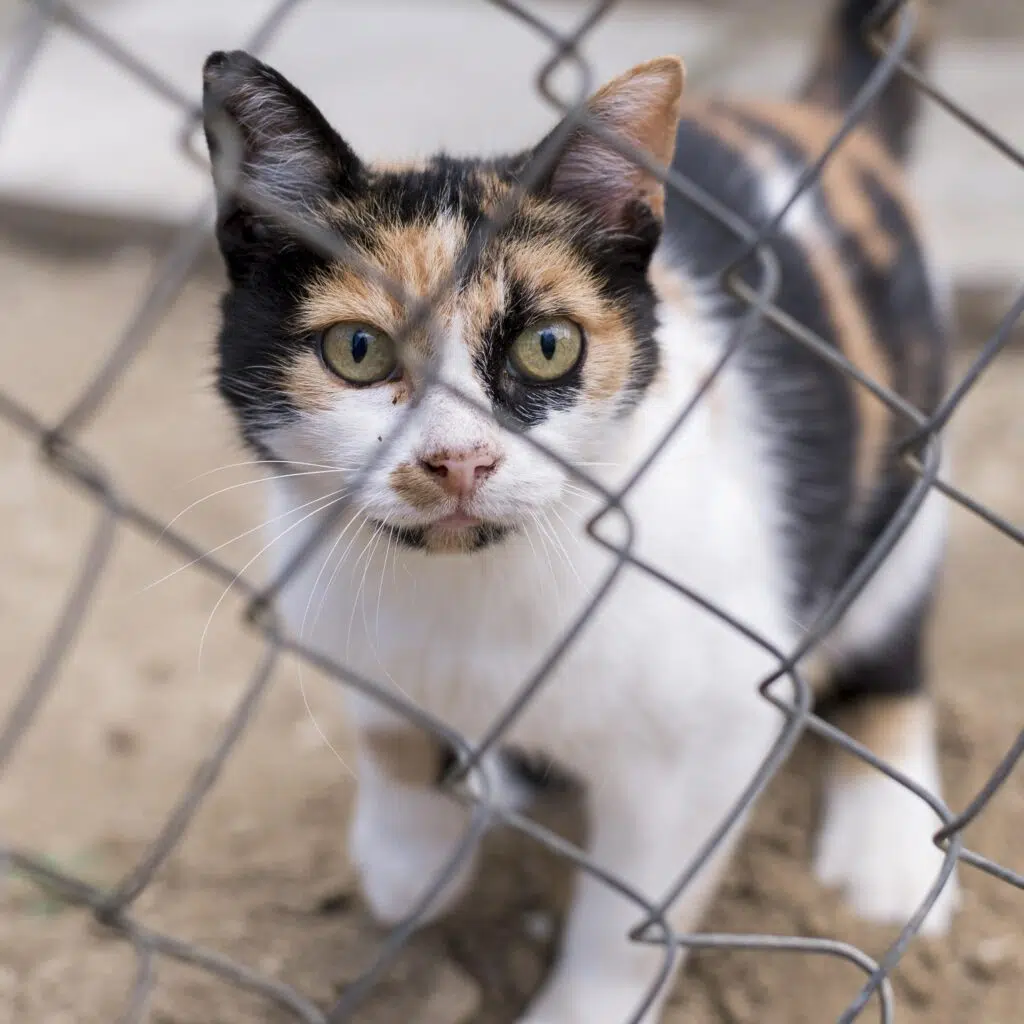
Is Hissing Always a Bad Sign?
No. Hissing is actually healthy communication. It allows cats to express discomfort without immediately resorting to physical aggression. A cat that hisses is still trying to avoid conflict.
The goal isn’t to eliminate hissing completely, but to understand it and reduce the situations that cause it.
If your cat hisses constantly, attacks, or shows extreme fear, consult a veterinarian or a certified animal behaviorist. Chronic stress or aggression may require professional guidance.
Conclusion
Cats hiss because they are communicating fear, pain, stress, or boundaries not because they are mean or aggressive by nature. Once you understand the reasons behind hissing, it becomes much easier to respond calmly and effectively. By respecting boundaries, improving the environment, and addressing health or stress triggers, you can reduce hissing and build a stronger bond with your cat.